I recently spent seven nights onboard P&O Cruises cruise ship, Iona, sailing through the stunning Norwegian Fjords. And if you’re thinking, what could possibly beat those views? Well, maybe the fact that I only spent £10 onboard. Literally.
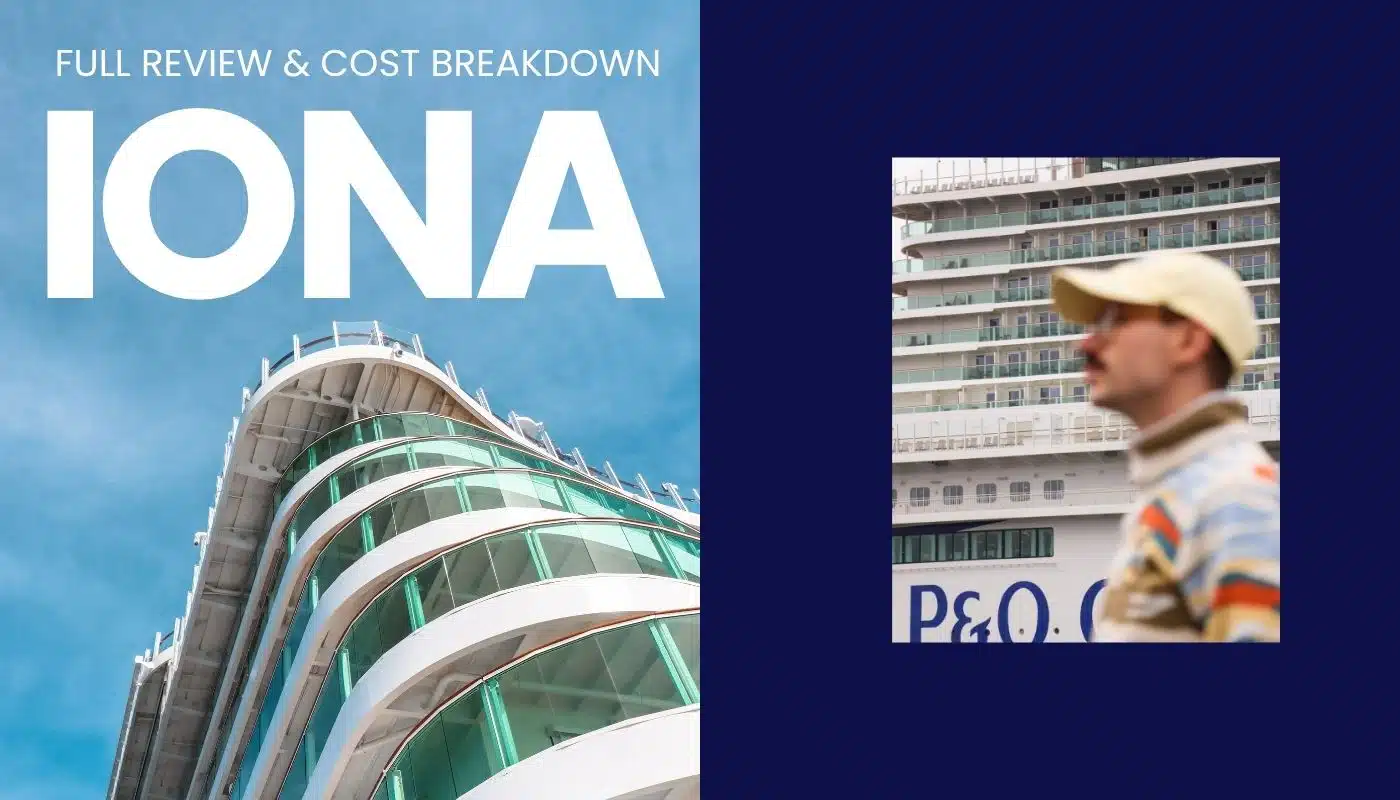
P&O Cruises has carved out a comfortable middle ground in the UK cruise market. It feels polished and considered, but still approachable, family-friendly and accessible. More than anything, it has built its reputation around offering a lot of holiday for the money.
The problem is that even with the cheapest cruises, the price you first see advertised is hardly ever the price you actually end up paying. There are drinks packages, excursions, Wi-Fi, speciality dining, spa treatments, upgrades, and all the little extras that can add up.
Before you know it, that bargain cruise does not feel quite so bargain anymore.
So how did I manage to sail one of the most affordable cruise lines from the UK, visit one of the most expensive countries in Europe, and still come away with a very happy wallet?
Let’s get into what I actually spent.
The initial booking cost
My original fare was £778 per person for a Standard Inside cabin. A few months before sailing, I added the Classic Drinks Package for £314 per person, bringing the cost of the cruise itself to £1,092 per person before excursions and anything we spent ashore.
The Classic Drinks Package also included Wi-Fi and £20 per person of onboard credit, which made the overall value slightly more attractive.
For this article, I have deliberately left my travel costs to and from Southampton out of the equation. Mine were unusually complicated. I ended up travelling down two days before the cruise and having to change my flights, which means what I personally spent getting to the ship would not be particularly representative of the average passenger sailing from Southampton. If you live within driving distance of the port, or can take advantage of one of P&O’s coach or parking offers, your journey there may look very different to mine.
So this is less about the absolute cost of my holiday from front door to front door, and more about something I think is more useful: what does a week on Iona actually cost once you have booked the cruise?
Because £1,092 per person is not an insignificant amount of money. But for seven nights of accommodation, meals, gratuities, entertainment, alcoholic drinks, and transport through one of Europe’s most beautiful regions, it starts to become rather interesting.
FYI – I booked with Sabina Coleman over at MyKindOfCruise. Highly recommend.

Who is Iona for?
Spend a few days onboard Iona and it becomes fairly obvious who P&O Cruises understands best: British families.
Not necessarily the family searching for the biggest water-slides, roller-coasters and a schedule filled from breakfast until midnight. Iona feels more suited to the family who has spent years renting villas in Spain, booking all-inclusive resorts in Tenerife or returning to the same sort of land-based holiday every year, and is now looking for something a little different.
It makes particular sense for multi-generational families. Grandparents can find somewhere quiet for coffee while the children disappear to the kids’ club. Parents can have a drink without worrying about driving anywhere. Everyone can do their own thing for a few hours and then meet again for dinner.
That, I think, is one of cruising’s strongest arguments as a family holiday. You unpack in Southampton and, for the next week, much of the usual organisation simply disappears. There are no airports between destinations, no nightly discussion about where everyone wants to eat and no need to organise transport every time somebody wants to do something different.
P&O also makes the transition from a traditional British holiday to cruising feel particularly easy. Prices are in pounds. The food is familiar. The humour is British. There is tea readily available and nobody is going to look confused when you ask for milk with it.
None of this is especially exotic, but that is rather the point. Sometimes familiarity is a luxury in itself.

P&O’s greatest trick is the starting price
P&O Cruises can be remarkably inexpensive, and that is probably one of Iona’s biggest selling points.
The lead-in fares, particularly outside school holidays, can make a week onboard seem almost implausibly affordable. There is also the advantage of sailing from Southampton, meaning many British passengers can remove flights entirely from the cost of their holiday.
P&O regularly makes those logistics even easier with promotions that include things such as car parking or coach transfers. They are not glamorous extras, but practical savings matter. A complimentary coach journey to Southampton may not look particularly exciting on an advert, yet it is one less cost to add to the holiday before you have even stepped onboard.
Gratuities are also included in P&O’s cruise fares, which I appreciate far more than I thought I would. On some cruise lines, the figure you initially see feels more like the beginning of a negotiation. Daily service charges, drinks packages and wi-fi packages gradually appear until the holiday costs considerably more than the price that originally persuaded you to book it.
P&O feels more straightforward. The fare gets you surprisingly far.
The cheapest onboard prices I’ve seen at sea
This was perhaps the biggest surprise of the week. Cruise ships exist in their own strange economy, where once you sail away from land a cocktail can suddenly cost the same as lunch and an evening in a speciality restaurant can easily become a £80-per-person decision.
Iona feels noticeably more restrained.
At The Keel & Cow, some breakfast items start at around £1.75. And that’s not for a simple apple either. You can get a full plate for £1.75. No joke.
Speciality dining is equally reasonable by cruise ship standards, with options starting from around £25 per person. It still costs extra, of course, but it feels like an optional upgrade rather than a luxury you have to seriously budget for.
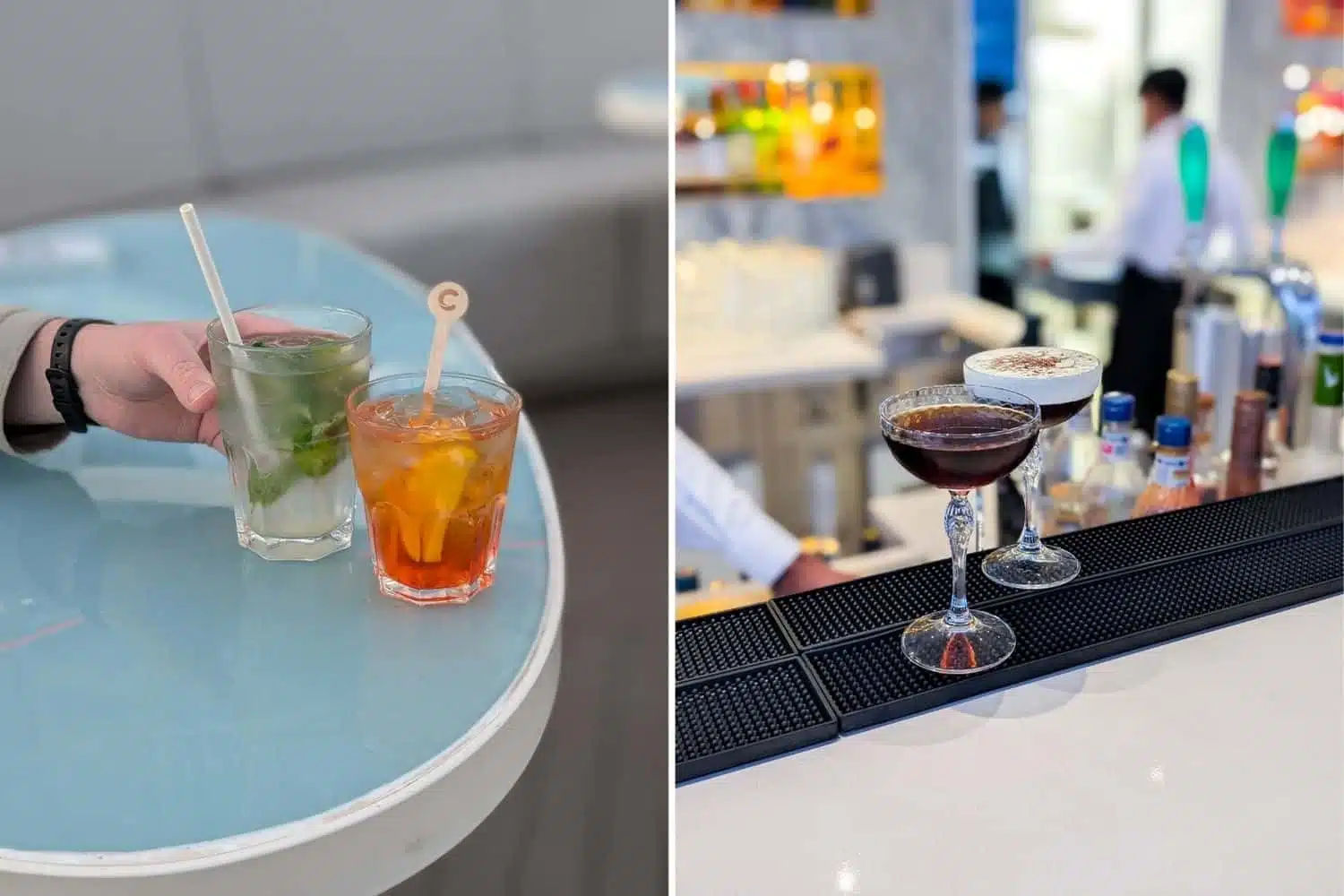
The same applies to drinks. Most of the alcoholic drinks I came across were somewhere between £4 and £8, which makes Iona considerably cheaper than many of the American cruise ships I have sailed on. At a time when plenty of bars on land are charging similar prices, it was refreshing not to feel like being at sea automatically added several pounds to every glass.
So do you actually need the drinks package?
After cruising on Oasis of the Seas without a drinks package, I said I would probably always buy a drinks package going forward. That was not because I believed I could somehow outdrink the cruise line and emerge victorious on a spreadsheet. I simply discovered that I dislike thinking about the cost of every drink while I am on holiday.
Without a package, I start doing little calculations in my head. Do I really want another pina colada? Should I have a cocktail before dinner? Would I order that if I knew I was paying for it individually?
So I bought the package on Iona. Ironically, this may have been the first cruise where I did not really need it.
By the second day, we had more or less worked our way through the options that appealed to us. There was not the enormous drinks menu you sometimes find on other ships, where a package encourages you to slowly try your way through something new every evening.
That does not make the package bad value, particularly when Wi-Fi and the onboard credit are taken into account. But if you’re someone that has less than two glasses of wine an evening, I would genuinely do the maths before sailing. On Iona, paying as you go may actually work out cheaper.
Where the cost of a Norwegian Fjords cruise starts creeping up
The dangerous part of an affordable cruise to Norway is, unsurprisingly, Norway.
The scenery may be priceless. The coffee is not.
At one point, we ended up paying around £9 each for a coffee ashore. They were perfectly nice coffees, but I am not sure any coffee becomes noticeably better once it passes the £9 mark.
This is where the idea of the “true cost” of a cruise becomes more interesting, because the cruise fare is only one part of the holiday. Norwegian Fjords itineraries are designed to tempt you off the ship. There are mountain railways, waterfalls, kayaking trips, viewpoints, scenic drives and villages tucked beneath enormous walls of rock. Naturally, you want to see them.
Cruise line excursions can quickly add hundreds of pounds to the overall cost, particularly when several members of a family are travelling together. Even if you choose to explore independently, Norway is not a particularly cheap place to eat, drink or shop.
Tip: Before booking a sightseeing excursion, remember that some of the most cinematic views come from the sailaway itself.
It creates a slightly surreal contrast. You can spend the afternoon in one of the most expensive countries in Europe and then return to a ship where breakfast costs £1.75.
Suddenly the enormous cruise ship starts to look like the bargain.
What I actually spent onboard Iona
The number that surprised me most at the end of the week was my onboard bill: £10.
That was it.
The £20-per-person onboard credit included with our drinks package covered most of the little extras we fancied during the week, including gelato and breakfast at The Keel & Cow. Our drinks were covered by the package, Wi-Fi was included, gratuities had already been taken care of and the vast majority of our meals were part of the cruise fare.
There is normally a final-day moment on a cruise where I open the app and discover an impressive collection of small purchases that I apparently made without noticing. They never seem particularly significant at the time, but seven days of coffees, cocktails, restaurants and extras have a habit of adding up.
On Iona, there was virtually nothing there.
It was the lowest onboard spend I have ever had on a cruise, and it made the entire experience feel far more inclusive than I expected from the initial fare.
Is Iona actually good value?
I think this depends on what you want from your cruise.
Iona is not pretending to be a small luxury ship. There are thousands of people onboard and, at busy times, you know it. Some spaces feel more functional than indulgent, and the experience is designed to appeal to an enormous cross-section of British holidaymakers rather than a narrow luxury audience.
But I increasingly think luxury and value are less contradictory than they first appear. There is a kind of luxury in knowing most things are already paid for. In waking up beneath the mountains of a Norwegian fjord without packing another suitcase. In having dinner, seeing a show and ordering a drink without constantly reaching for your wallet.
There is also a luxury in ease, particularly when several generations are travelling together. Nobody has to organise every meal. Nobody has to drive. Nobody has to keep an entire family entertained every hour of the day. Everyone can drift in slightly different directions and still be having the same holiday.
For £778 per person, my original fare gave me seven nights onboard, accommodation, meals, entertainment and a Norwegian Fjords itinerary from Southampton. After adding the Classic Drinks Package, Wi-Fi and onboard credit, my cruise cost came to £1,092 per person before excursions and spending ashore.
Could I have done it more cheaply? Absolutely. Knowing what I know now about the price of drinks onboard, I might even consider skipping the drinks package next time.
And perhaps that is the strongest argument for Iona’s value. You do not really need to upgrade the experience for it to feel complete.
One of the easiest ways to try cruising from the UK
If your usual holiday is a villa, a package holiday or a week at an all-inclusive resort and you have been wondering whether to try a cruise, Iona makes a convincing argument. That is particularly true for families and groups travelling across several generations.
You can drive or take a coach to Southampton, unpack once and spend the next week travelling through Norway while somebody else worries about where you sleep, what is for dinner and how you get to the next destination.
There are certainly ways to make an Iona cruise expensive. Book several excursions, eat in speciality restaurants every night, shop onboard and spend freely ashore in Norway and the final figure will look very different.
But what surprised me was how easy it was not to.
On some ships, the attractive initial fare starts to feel less relevant with every day you spend onboard. On Iona, it remained remarkably close to the true cost of the cruise.
For anyone looking for an affordable cruise from the UK, that may be Iona’s greatest strength.
Just budget for the coffee when you get to Norway.